
The thrill of risk and reward
High-stakes casino games are often an adrenaline rush for players, appealing to their desire for excitement and the potential for significant financial reward. The psychology behind this thrill is complex; it is rooted in the human brain’s reward system, which releases dopamine, a neurotransmitter associated with pleasure and reinforcement. In the landscape of gaming, one can explore the best non gamstop casinos 2026 that cater to high-stakes enthusiasts, creating compelling urges to engage in high-stakes gambling as individuals chase the euphoric feeling associated with big wins.

Additionally, the risk involved in high-stakes games contributes to the allure. The higher the stakes, the more intense the experience, leading players to feel a sense of empowerment when they place large bets. This sensation can elicit an emotional high that overshadows the possibility of loss, making the gambling experience both exhilarating and psychologically captivating.
The role of cognitive biases
Cognitive biases significantly influence gambling behavior, often leading players to engage in high-stakes games despite the risks involved. One prevalent bias is the illusion of control, where gamblers believe they have more influence over the outcome than they actually do. This belief can encourage players to wager large sums, thinking they can sway chance in their favor. Similarly, the gambler’s fallacy can lead individuals to perceive patterns in random outcomes, causing them to chase losses or increase bets based on previous results.
These biases not only shape the decision-making process but also fuel the emotional rollercoaster experienced during high-stakes gambling. Players might feel compelled to continue betting despite losing streaks, driven by hope and the mistaken belief that their fortunes will turn. This psychological phenomenon underscores the importance of understanding cognitive biases in the gambling landscape.
The impact of environment and design
The environment in which high-stakes casino games take place plays a crucial role in shaping player behavior. Casinos are designed to be visually stimulating and to create an immersive experience, often featuring bright lights, engaging sounds, and a luxury atmosphere. This carefully curated environment is intended to enhance feelings of excitement and exclusivity, drawing players into a world where high-stakes gambling feels like the ultimate thrill.
Moreover, the layout of casinos is strategic, guiding players toward high-stakes games while minimizing exits. This design can lead to prolonged gaming sessions, as players become enveloped in the atmosphere and lose track of time. Understanding how environment and design impact gambling psychology can provide valuable insights into why individuals are drawn to high-stakes casino games.
Social influences and peer pressure
Social dynamics also play a significant role in the psychology behind high-stakes casino games. The presence of others can amplify the excitement and intensity of the experience, as players often feed off each other’s energy. A crowded table with enthusiastic participants can create an environment where risks feel more acceptable and exhilarating, encouraging individuals to bet larger amounts. This social reinforcement can lead to a ‘groupthink’ mentality, where the collective thrill overshadows individual caution.
Additionally, peer pressure can lead players to engage in behaviors they might typically avoid. The desire to fit in or impress others may push individuals to place high-stakes bets, further complicating their relationship with gambling. This social aspect highlights the importance of understanding the group dynamics at play within casino settings.
Maintaining a safe gambling environment
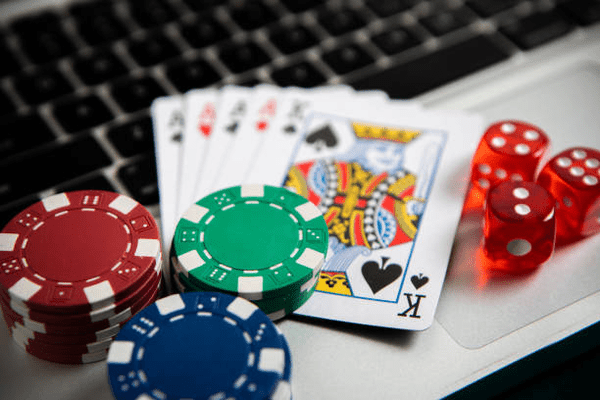
In the digital age, the security of online gambling platforms is paramount, especially as high-stakes games become increasingly popular. The psychology of gambling must be balanced with responsible gaming practices to protect players from potential harm. Secure platforms utilize advanced security measures to safeguard user data and maintain a safe gaming environment, allowing players to focus on the enjoyment of the game without the stress of online threats.
Moreover, offering guidance and support to those who may encounter gambling-related issues is crucial. By prioritizing user safety and promoting responsible gambling, casinos can foster a healthier gaming experience. As players engage with high-stakes games, the emphasis on security and well-being ensures that excitement does not come at the expense of safety.